Warehousing & inventory
Plan the space, stock organization, and inventory processes your products need as demand changes.

Bring your products, orders, and fulfillment needs into one practical conversation. Explore a logistics plan for your business in Canada.
Discuss your logistics needsPlan the space, stock organization, and inventory processes your products need as demand changes.
Connect the journey from online order to pick, pack, and dispatch, with the customer experience in view.
Build an order workflow around wholesale quantities, retailer requirements, and the way your business sells.
Bring products together into bundles, launch kits, and thoughtfully packaged orders that carry your brand beyond checkout.
Explore shipping options around your products, destinations, and budget, with a clear plan for the handoff.
Make the return journey part of the plan, from receiving returned products to assessing their next step.
Tell us about your products, monthly order volume, sales channels, storage needs, and shipping destinations.
Together, we can clarify your requirements and discuss the right scope, service availability, and next steps.
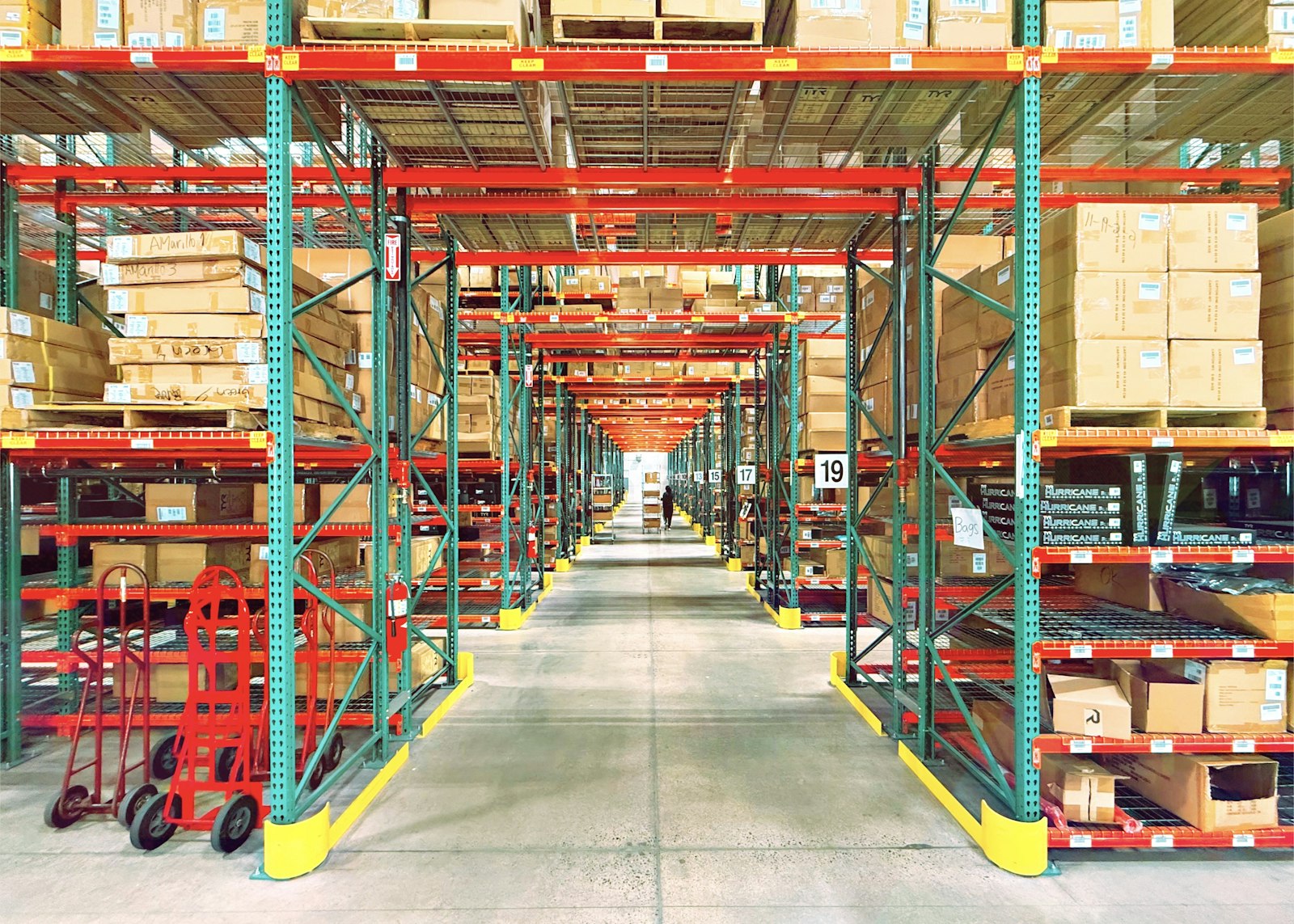
A fulfillment plan begins well before a parcel leaves the shelf.
Product dimensions, SKU counts, order profiles, packaging requirements, and sales channels all influence how a logistics solution should work. Getting those details into the brief makes it easier to discuss a realistic scope.
For Canadian businesses, the conversation also includes where customers are located, what delivery expectations look like, and how seasonal demand could change the workload. Specific service coverage and timelines are confirmed during scoping.
Outline your products, storage requirements, typical order size, sales channels, and shipping destinations.
Discuss receiving, inventory handling, packing, dispatch, and returns, including any special requirements.
Review the proposed scope, availability, responsibilities, and pricing before committing to a service plan.
Include product types and dimensions, SKU counts, storage needs, average monthly orders, units per order, sales channels, and delivery destinations. Note any special handling or packaging requirements.
Yes. Describe the requirements for each channel, including carton or pallet quantities, packing expectations, retailer instructions, and delivery constraints. The proposed scope must account for those differences.
They depend on factors such as origin, destination, parcel dimensions, weight, carrier options, and service level. Specific rates and timelines need to be confirmed for your requirements.
Flag temperature requirements, regulated goods, fragile items, expiry dates, or significant volume changes at the outset. Suitability, capacity, and handling arrangements must be confirmed before a commitment.